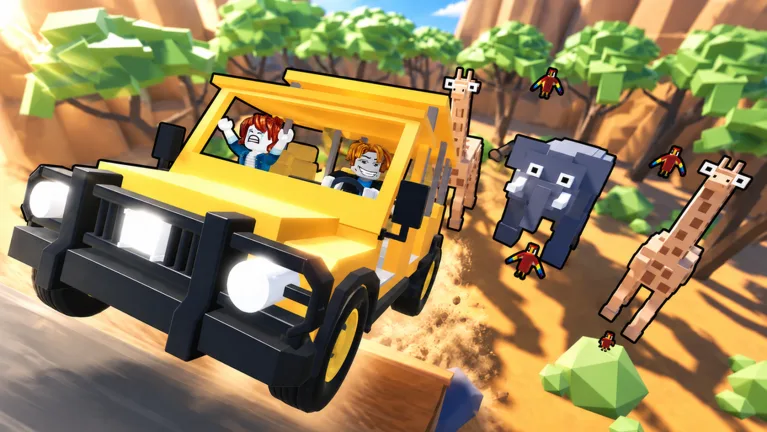
How to Play Film Animals on Roblox: A Guide to the Simulation Experience
Learn how to master the simulation mechanics in the Roblox game Film Animals. Discover tips for capturing the best footage in this 1-6 player experience.
Published: Film Animals Wiki Editorial Team
Table of Contents
Diving into the Film Animals Roblox Experience
Film Animals, developed by ChrisBacker1993, offers a unique departure from the typical action-heavy titles found on Roblox. Instead of combat or fast-paced platforming, this game invites players into a slower, more deliberate environment where the primary goal is observation and documentation. Whether you are a fan of nature photography or simply looking for a relaxing, immersive simulation, understanding the rhythm of the game is essential for success.
The game is designed to mimic the patience required in real-life wildlife filming. You are not just running through a map; you are exploring habitats, tracking animal movements, and positioning yourself to get the perfect shot. Because it supports 1–6 players, it can be played as a solitary meditative experience or a coordinated group effort where friends help spot animals or manage different camera angles.
Mastering Camera Controls and Perspective
In a game where the primary mechanic is "filming," your control over the camera is your most important tool. Unlike standard Roblox third-person views, Film Animals often relies on specific interaction mechanics to capture the "perfect" shot.
Tip
Optimize Your Viewport: Before you start your session, ensure your Roblox graphics settings are set to a level that balances performance and visual quality. High-quality shadows and textures can significantly improve the realism of the animal models you are trying to film.
To master the camera, you should focus on these fundamental techniques:
Static Shots: Find a location with high animal traffic and remain still. Let the animals enter your frame rather than chasing them, which often spooks them or results in blurry, chaotic footage.
Dynamic Panning: Use your mouse or controller sensitivity settings to create smooth, sweeping movements. Jerky camera movements are the hallmark of a novice filmmaker.
Depth of Field Management: If the game allows for zoom functionality, use it to isolate your subject from the background. A tight shot of an animal’s face or movement is almost always more compelling than a wide shot that loses the subject in the environment.
Strategies for Collaborative Filming (1-6 Players)
One of the standout features of Film Animals is its 1-6 player capacity. Playing with a group transforms the game from a solitary photography simulator into a collaborative production. If you are playing with friends, effective communication is the key to success.
Organizing Your Film Crew:
The Spotter: One player should act as the eyes of the group, scanning the distance for animal activity without having to worry about framing the shot.
The Director: This player coordinates the group, deciding where to move next and when to stop for a potential "take."
The Camera Operator(s): The remaining players focus on positioning their avatars to capture the action from different angles, ensuring the group gets a variety of footage.
By delegating these roles, you avoid the common issue of players crowding the same spot and blocking each other's views. Remember that in a shared server, respect for other players' space is vital. If you see someone else already set up for a shot, try to position yourself to support their work rather than obstructing it.
Enhancing Your In-Game Cinematography
To elevate your gameplay, you need to think like a filmmaker. The game provides the environment, but you provide the narrative. Look for the "story" in the animals' behavior. Are they playing? Are they resting? Are they interacting with the environment?
Pre-Filming Checklist:
[ ] Check the Time of Day: If the game features a day/night cycle, plan your filming around "golden hour" lighting for the best visual results.
[ ] Identify Animal Patterns: Spend a few minutes observing before you start "filming." Most animals in simulation games have looping animations or predictable paths.
[ ] Clear the HUD: If the game allows you to toggle the user interface (UI) off, do so before recording. This provides a clean, cinematic look that is free of health bars, chat boxes, or navigation menus.
Troubleshooting and Performance Tips
Because Film Animals relies heavily on rendering environmental details and animal animations, it can be resource-intensive for some devices. If you experience lag or stuttering, it will ruin your footage.
Lower Part Count/Details: If your framerate drops, go into the Roblox settings menu and lower your "Graphics Quality" manually. While it may look slightly less realistic, a smooth 60 FPS is better than a choppy 30 FPS when trying to track moving subjects.
Check Server Stability: If you are playing in a public server and notice erratic animal behavior (teleporting, freezing), it may be a server-side lag issue. Try switching to a different server or, if available, a private server to ensure a smoother experience.
Communication: If you are playing in a group, use the chat or external voice communication to coordinate. Miscommunication often leads to players accidentally running through each other's shots.
Frequently Asked Questions
Can I play Film Animals alone?
Yes, the game is designed to support 1-6 players, meaning it is fully playable as a solo experience. In fact, many players prefer solo play to have complete control over the camera and movement without interference.
Are there specific animals I need to unlock?
While specific progression mechanics vary based on the game's current updates, most simulation games of this type encourage exploration. If you cannot find a specific animal, try exploring different biomes or waiting at known watering holes or feeding spots within the map.
How do I save my footage?
The game itself does not typically have an internal "save" feature for video files. To capture your gameplay, you will need to use your computer’s built-in recording software (such as the Windows Game Bar, OBS, or NVIDIA ShadowPlay) to record your screen while you play.